
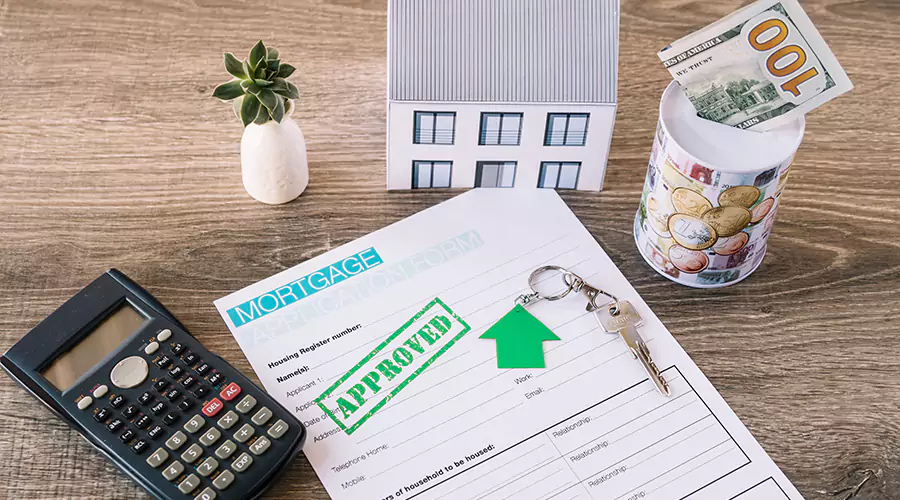
Getting multiple cash offers on your property can feel like a great problem to have. Instead of worrying about whether your house will sell, you are trying to decide which buyer gives you the best overall deal. At first glance, it may seem like the answer is simple. Many sellers assume the highest cash offer is always the one to accept. In reality, the best offer is not always the one with the biggest number.
When you compare multiple cash offers, you need to look beyond price alone. Closing speed, proof of funds, contingencies, fees, and the buyer's reliability all matter. If you know how to compare the full terms of each deal, you can make a much smarter decision and avoid unnecessary stress. Evaluating these factors carefully ensures that a Cash Offer for House provides both speed and security for a hassle-free sale.
Start With the Offer Price, but Do Not Stop There
The first thing most sellers look at is the price. That makes sense because it is the easiest number to compare. A higher cash offer may sound better, but you should treat it as only one part of the decision.
Some buyers offer more at the start and then try to reduce the price later after inspections or follow up negotiations. Others may come in slightly lower but offer cleaner terms and a much smoother closing experience.
That is why the smartest approach is to compare the whole package, not just the headline amount.
Verify Proof of Funds
A true cash buyer should be able to show proof of funds. This helps confirm that the buyer actually has the money available to close the deal.
Ask each buyer for documentation that supports their offer. This may include a bank statement, a letter from their financial institution, or another verifiable source of funds.
Why Proof of Funds Matters
- It confirms the buyer can actually close
- It helps you avoid wasting time
- It shows the buyer is serious
- It reduces the risk of delays later
If one buyer is unwilling or unable to provide proof of funds, that is a major warning sign.
Compare the Closing Timeline
One of the biggest advantages of a cash sale is speed. But not every cash buyer closes at the same pace. Some can close in a matter of days, while others may still need extra time because of title work, partners, or internal processes.
Look at each buyer's proposed closing date and ask whether they can truly meet it.
A faster closing may be more valuable if:
- You need to move quickly
- You are facing financial pressure
- The property is vacant
- You want to avoid ongoing holding costs
- You are settling an inherited property
In some cases, a slightly lower offer with a dependable fast closing may be better than waiting longer for a higher amount.
Review Contingencies Carefully
Not all cash offers are as simple as they seem. Some include contingencies that allow the buyer to back out or renegotiate later.
Common contingencies may involve:
- Inspection periods
- Title review
- Partner approval
- Internal funding approval
- Access to the property before closing
A clean cash offer usually has fewer conditions. The more contingencies included, the more uncertainty you may face.
When comparing offers, ask yourself which buyer gives you the clearest path to closing without surprises.
Watch for Hidden Fees or Costs
Some cash buyers advertise convenience, but the contract may include deductions or unexpected charges. Before accepting any offer, make sure you understand exactly what you will receive at closing.
Look for details such as:
- Closing costs paid by the buyer or seller
- Service fees or administrative fees
- Repair deductions
- Holding back funds until after closing
- Any commission or assignment fee involved
The offer with the highest number may not actually leave you with the most money. This is why net proceeds matter more than the offer price alone.
Consider the Buyer's Reputation
A cash offer is only as good as the buyer behind it. A professional, experienced buyer can make the transaction smooth. An unreliable one can turn the process into a headache.
Before choosing an offer, do some research.
What to Check About the Buyer?
- Online reviews
- Business website and presence
- Past client feedback
- Communication quality
- Transparency in the process
- Experience buying homes like yours
If a buyer is hard to reach, avoids direct answers, or pressures you to sign quickly, that is worth taking seriously.
Ask Whether the Buyer Is the Actual Buyer
Some people making cash offers are not planning to buy the home themselves. They may be wholesalers who put the property under contract and then try to assign it to another investor.
That does not always make the offer bad, but it does add another layer of risk. If they cannot find someone else to take the deal, your sale may be delayed or cancelled.
Ask directly:
- Are you the end buyer?
- Will you be closing in your own name?
- Are you planning to assign the contract?
The more clarity you have, the better you can judge the strength of the offer.
Think About Certainty, Not Just Maximum Price
Some sellers focus only on getting the biggest number. Others care more about certainty. That means choosing the offer most likely to close smoothly and on time.
A more certain offer may be better if it comes with:
- Verified proof of funds
- Few or no contingencies
- Strong communication
- A realistic closing date
- No last minute renegotiation tactics
For many sellers, especially those dealing with inherited homes, repairs, relocation, or financial pressure, certainty can be just as valuable as price.
Make a Simple Comparison Sheet
If you have several offers, it helps to compare them side by side. This makes the differences easier to see.
Create a simple list for each offer that includes:
- Offer price
- Estimated net proceeds
- Proof of funds provided
- Proposed closing date
- Inspection or other contingencies
- Buyer reputation
- Whether the buyer is an end buyer or wholesaler
- Overall confidence in the deal
This kind of simple comparison can make your decision much clearer.
Final Thoughts
If you are wondering how to compare multiple cash offers on your property, the key is to look at more than just the top line number. Price matters, but so do proof of funds, contingencies, closing timeline, hidden costs, and the buyer's reliability. The strongest offer is the one that gives you the best overall outcome, not just the highest starting number.
When you take time to compare the full terms of each deal, you put yourself in a much better position to choose the right buyer. A smart decision now can save you time, stress, and costly surprises later.